Sourcing Five UK-Type Lines from One Factory
Importers in UK-type markets — the UK and Ireland, the Gulf, East and West Africa, South Asia — rarely shelve a single category. One 40-ft container typically lands extension sockets next to travel adapters, spare plug tops, a run of wall switches for the fitting trade, and a few cable reels for the hardware rack. The default sourcing pattern is piecemeal: sockets from one factory, adapters from a second, wall switches from a third. There is another pattern, and this guide is about it — consolidating the basket into one full-line factory: what it covers, what it simplifies, where it does not fit, and how to structure a first mixed-container order.
1. What "Full-Line" Actually Covers
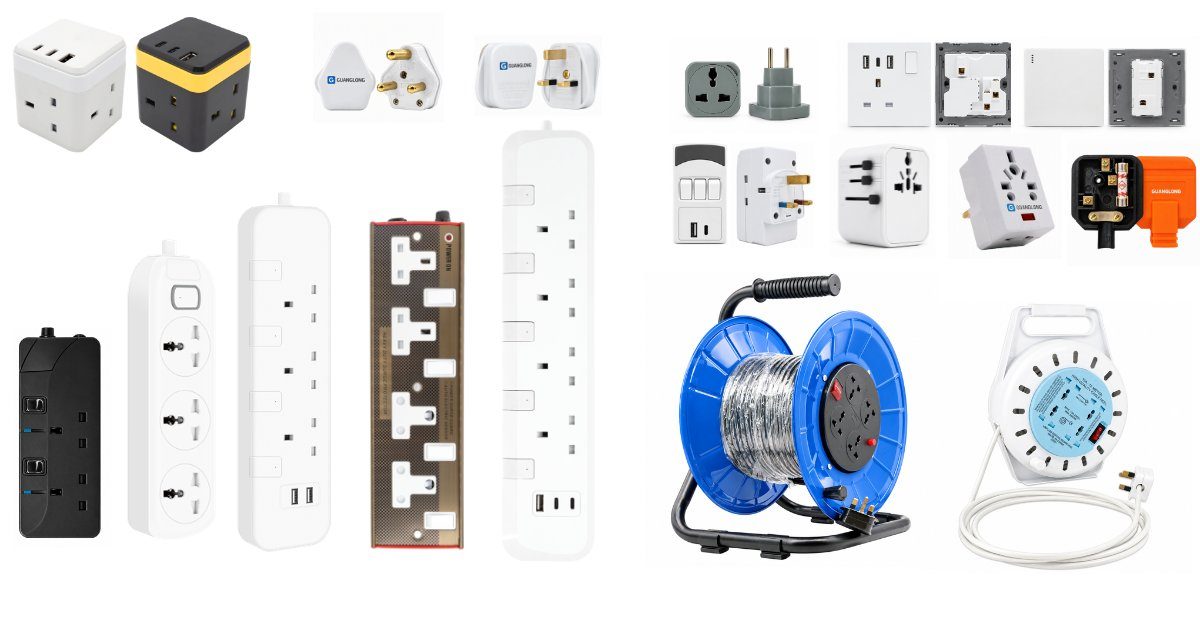
A full-line UK-type factory carries every category the shelf needs, engineered to the same plug standard. The current range:
| Line | Series | What's in it | Shelf role |
|---|---|---|---|
| Extension sockets & power strips | 24 | 2–6 way, master or individual switches, surge-protected and USB / USB-C fast-charge variants | Volume core of the range |
| Plug adapters & travel adapters | 24 | UK and universal adapters, wired multi-way, USB-C travel charging | High-frequency add-on |
| Plug tops (fused) | 4 | 13A BS 1363 fused plugs, South Africa 15A, rewirable types | Spare-parts line every hardware shelf needs |
| Wall sockets & switches | 8 | UK-type wall plates for the fitting trade | Made-to-order, planned into mixed containers |
| Cable reels & extension drums | 7 | Large workshop reels to compact domestic drums | Trade and DIY hardware line |
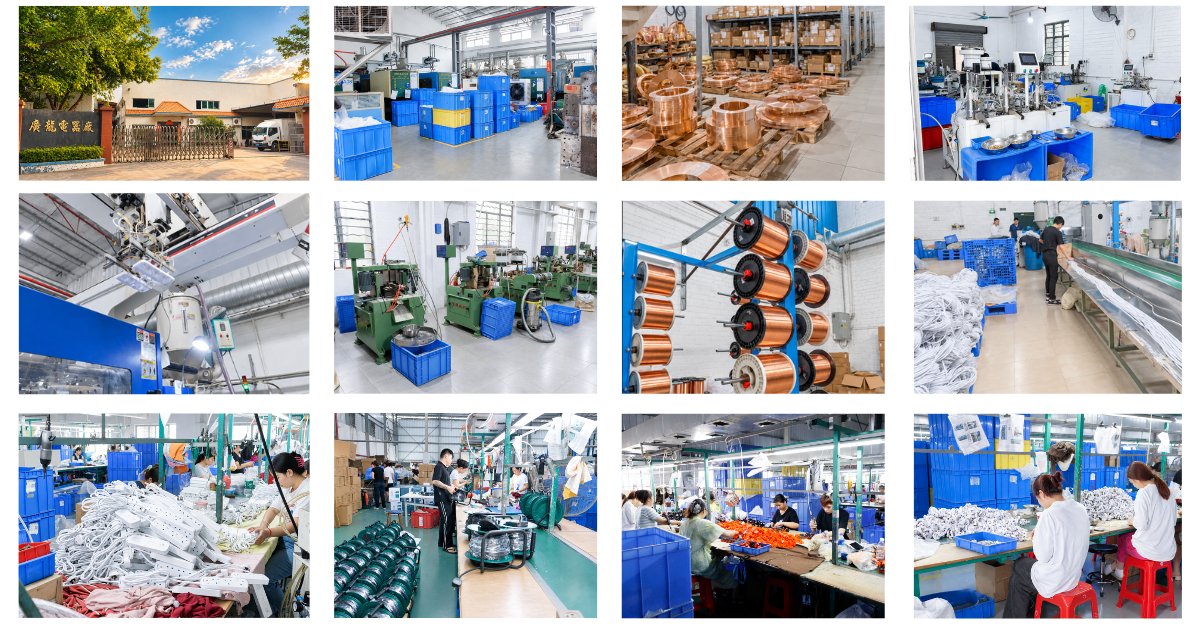
Five lines, 60+ series, all produced by one works — Guanglong Electric, Foshan, manufacturing to British plug standards since 1989 and exporting to 40+ countries.
2. What Consolidating into One Factory Simplifies
One QC standard across the basket. The same fuse policy, copper busbar spec, flame-retardant housing grade and plug-pin tolerances apply whether the carton says "extension socket" or "wall switch". When end-users swap one product for another on the same shelf, the build quality tells one story — yours.
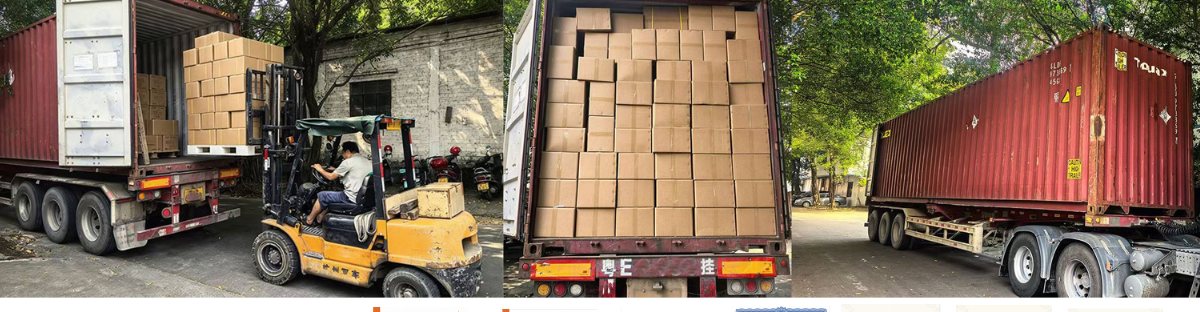
Blended-container economics. One shipment instead of three: one ocean freight, one customs entry, one set of documents, and the container full instead of half-empty. For mixed baskets this is usually the largest single saving — freight and clearance per unit drop as the mix fills the box.
One OEM identity. Logo, colour programme and packaging style are applied consistently across every line, so a house-brand shelf looks engineered rather than assembled. Serialization across categories — same brand mark on a 4-way strip and the wall plate next to it — is what makes a house brand credible.
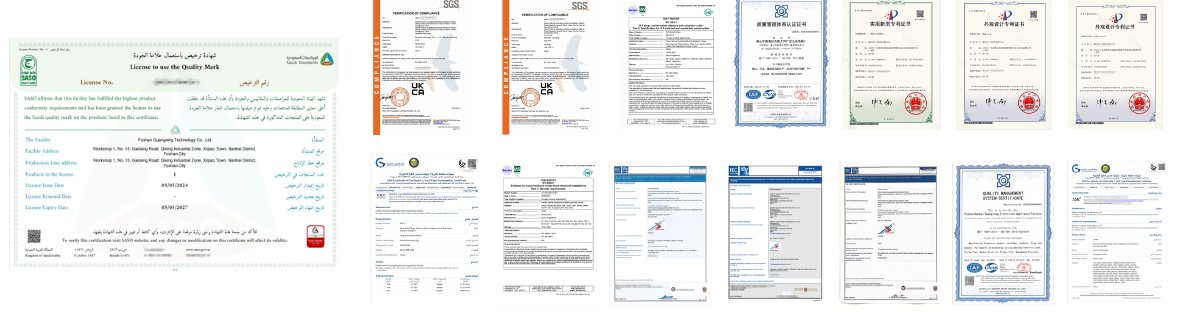
One document and certification workflow. Papers for each destination are prepared per line by the same team — UKCA / BS 1363 for the UK, G-Mark and SABER for the Gulf, PVoC / KEBS for East Africa, SONCAP for Nigeria — with the factory holding the test reports and tracking renewals. Where a destination needs a scheme this page does not list, we say so at quotation stage rather than at shipment.
One quotation clock. The whole basket is quoted on one sheet: tell us the mix and the destination market and the quotation comes back within 24 hours, each category priced on its own line so the mix stays transparent. Quantity breaks, lead times and sample timing are quoted per line, because they move with the mix — the numbers belong on your quotation, not on a page that has to serve every basket.
3. Where One Factory Fits — and Where It Doesn't
Honesty first, because this is the question a good sourcing engineer asks. A specialist wall-switch maker runs scale on wall plates that a full-line factory does not attempt; if wall switches alone are four-fifths of your buy at container-per-week cadence, a specialist belongs in your supplier matrix for that line.
The full-line model earns its place when the basket is genuinely mixed and the order cadence is per-container rather than per-SKU. In practice most importers land on a hybrid: anchor the volume core — extension sockets, adapters, reels — with the full-line factory, and top up narrow specialities elsewhere. The test is simple: add up what piecemeal sourcing really costs (three freights, three QC checklists, three follow-ups, shelf-brand inconsistency) and compare it with one consolidated programme.
4. Wall Switches Inside a Mixed Order
Because wall switches are the category buyers ask about first, they deserve a straight answer. The current wall socket & switch series covers 8 UK-type series — flame-retardant PC housing, full-copper terminations — made to order per specification and planned into mixed containers alongside the socket lines. Specify finish, plate size and switching layout per market and the factory quotes them as one more line on the same sheet.
5. Gulf buyers: verify the factory, not only the product
For Gulf programmes there is a fourth reason to look at the factory itself rather than only at the sample: GCC anti-dumping duties on electrical accessories are assessed by factory, and the rate a given works attracts can differ sharply from another making the same product — whitelisted works pay 12.2% versus 42% outside the list. That difference lands in your landed cost, not in your catalogue. This factory is on the whitelist; the whitelist explainer covers what it does to cost per unit.
6. How to Start a Mixed-Container RFQ
The four-line list that gets a useful quotation back
Send the factory: (1) destination market and sales channel; (2) the basket — categories with rough quantities each; (3) branding requirements — OEM marks, packaging; (4) certification requirements per market. A basket written this completely usually gets a configuration note plus a formal quotation within 24 hours.Send it through any category page above or straight to the inquiry form. Samples are arranged per line so the whole basket can be checked before the first container, and factory visits — in person or by live video tour — are welcome anytime.
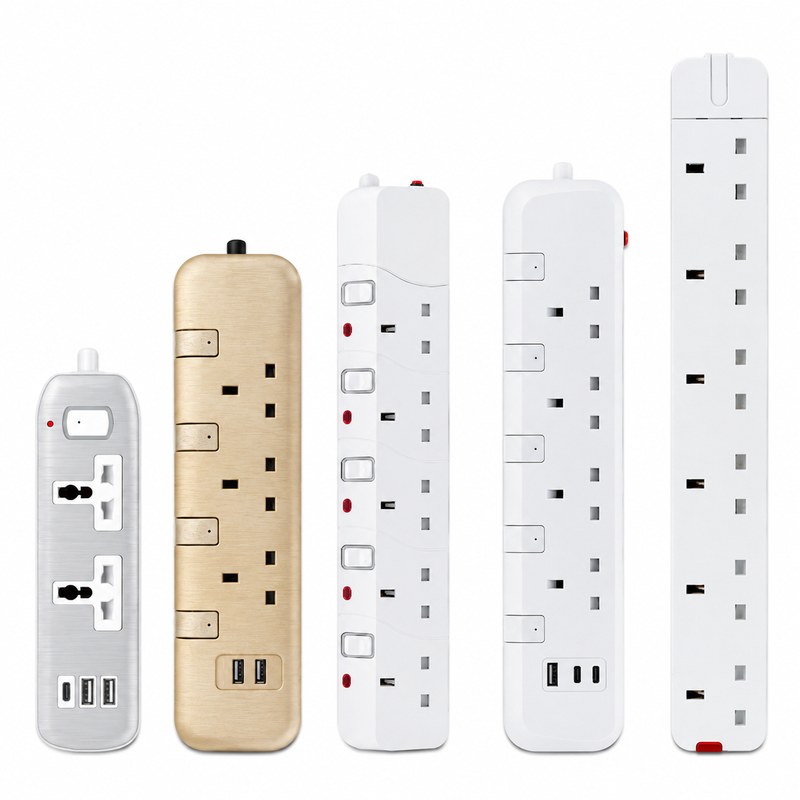 Extension Sockets & Power StripsUK 13A extension leads, surge-protected power strips with US…
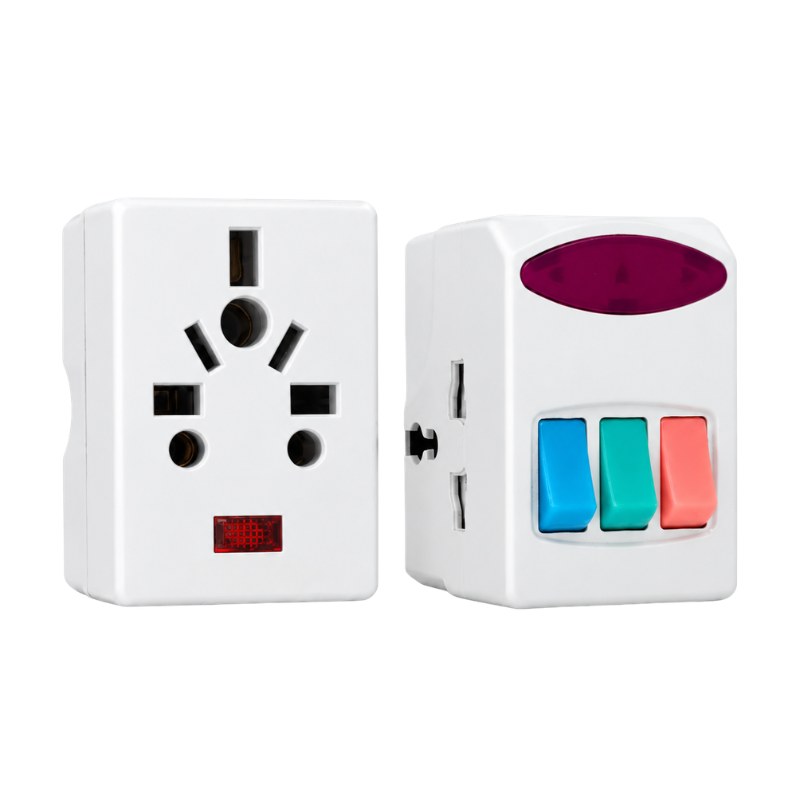 Plug Adapters & Travel AdaptersUniversal and UK 13A plug adapters, travel adaptors with USB…
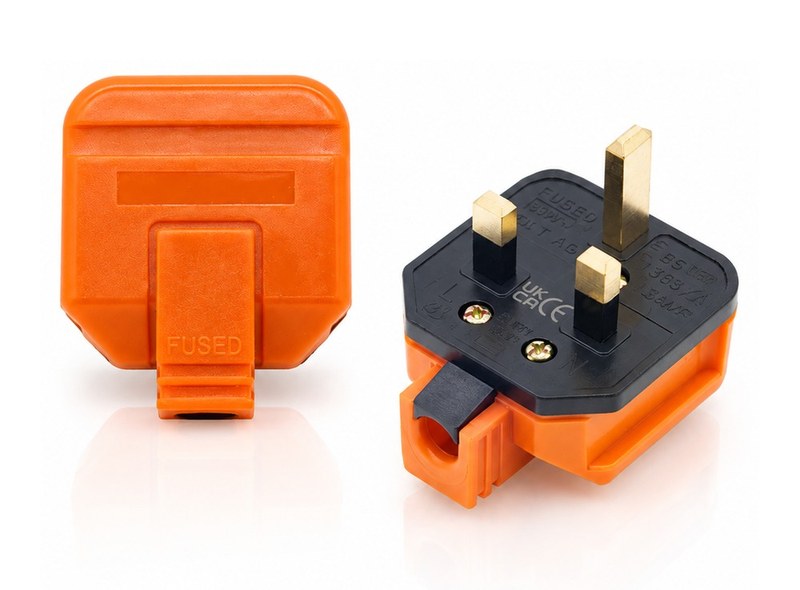 Plug Tops13A UK fused plug tops and South Africa 15A plug tops — full…
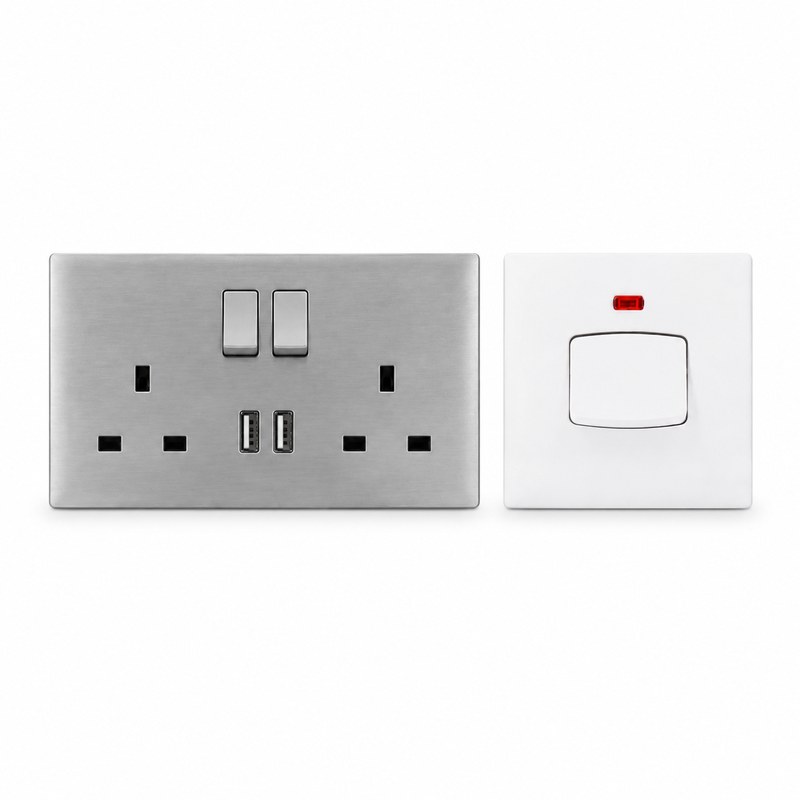 Wall Sockets & SwitchesWall-mounted sockets, switch panels and UK plug tops with US…
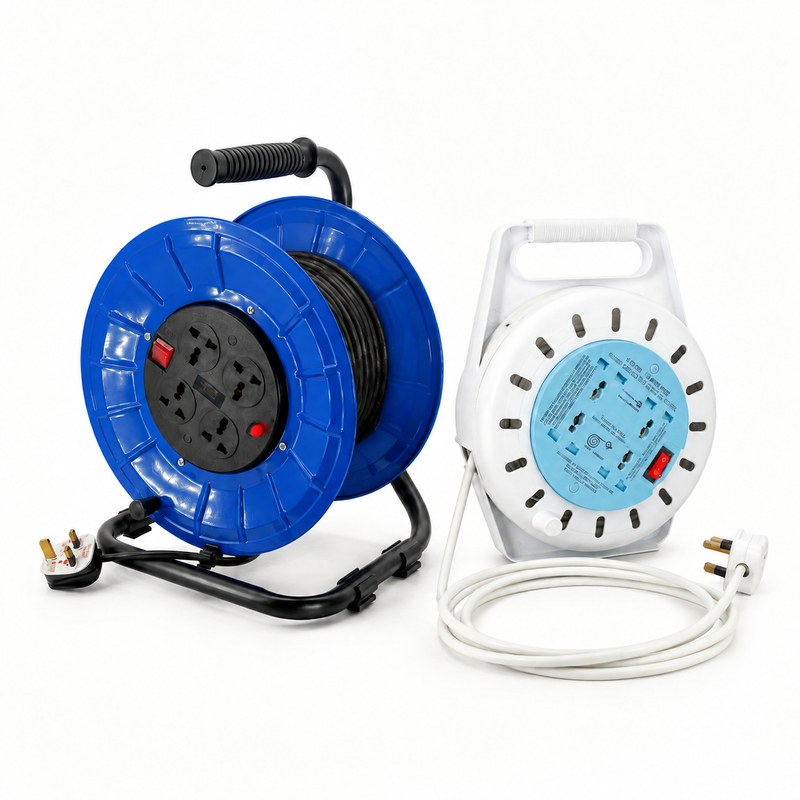 Cable Reels & Extension Drums4-way cable reels with overload protection, 13A UK standard…