Extension Sockets for Zimbabwe — CBCA CoC & Type D/G Fit
Zimbabwe runs one of Africa's strictest per-shipment conformity regimes — and one of its least forgiving. Under the CBCA programme (Consignment-Based Conformity Assessment), regulated electrical goods need a Certificate of Conformity issued before shipment, consignment by consignment. There is no product-registration shortcut: every order, every model list, every packing slip gets verified against Zimbabwean requirements, and the CoC is what customs clears the box against in Harare. The legal base moved recently too — Statutory Instrument 124 of 2020, updated by SI 35 of 2024 — so compliance calendars written before 2024 are already out of date. Here is how the programme works, the USD 1,000 threshold that decides whether it applies, the Type D/G dual-plug reality on the ground, and the document discipline that keeps a Zimbabwe order moving.
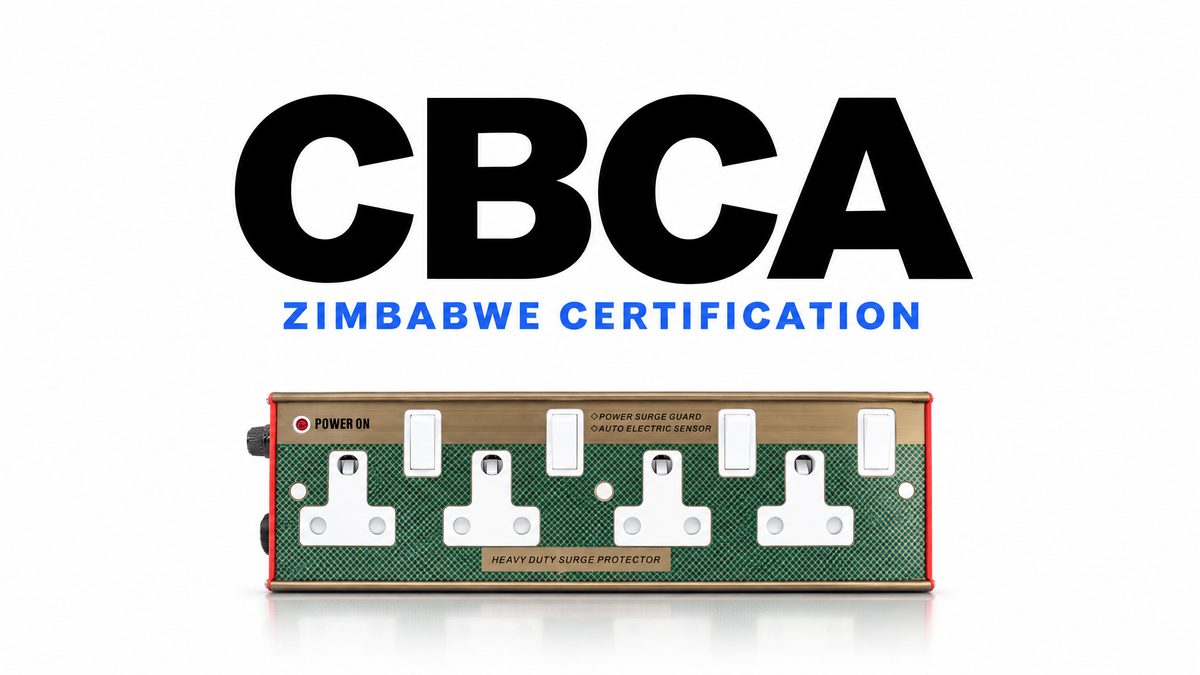
1. The Programme in One Minute: CBCA, CABs, CoC
CBCA is Zimbabwe's Consignment-Based Conformity Assessment programme: regulated products exported to Zimbabwe are assessed against Zimbabwean standards (SAZ) or accepted equivalents in the country of supply, before loading. The assessment is run by designated Conformity Assessment Bodies — Intertek, Cotecna and Verigates operate the programme — and the resulting CoC travels with the shipment to customs.
Three structural facts shape every Zimbabwe order:
- The threshold is USD 1,000 FOB. Consignments at or above that value fall under CBCA. Below it, the programme technically does not bite — but "shipping under the threshold" as a strategy means undervaluing invoices, and undervalued invoices create their own customs problems in Harare. Serious importers stay inside the programme.
- There is no registration route. Unlike Ghana (registration for repeat models) or East Africa (类似的模型注册制), Zimbabwe assesses every consignment from scratch. Repeat orders do not get lighter treatment — the document pack gets rebuilt every time.
- The CoC names models and quantities. The certificate cannot transfer between shipments, and packing lists that drift from the certificate's line items give the inspecting officer a reason to hold the container.
2. The Process, Step by Step
| Step | What happens | What the buyer controls |
|---|---|---|
| 1 · Booking | Exporter applies to a designated CAB (Intertek / Cotecna / Verigates) with the commercial invoice, packing list and product standards references | Freeze the packing list before application — additions after filing are the classic hold trigger |
| 2 · Documentary check | CAB reviews test reports and conformity evidence against SAZ or accepted equivalent standards | IEC 60884-1-based reports with BS 1363 / BS 546 plug data map cleanly; generic "factory passed" sheets do not |
| 3 · Physical inspection | goods inspected at loading — models, quantities, markings checked against the file | Photo every pallet; model labels visible; count at stuffing |
| 4 · Testing (if needed) | Sampling and accredited testing where the file does not demonstrate conformity | Have per-model reports ready; testing at loading is the slow route |
| 5 · CoC issued | Certificate issued for that consignment; travels to customs clearance in Harare | One CoC, one shipment — plan the certificate into the shipping schedule |
3. The USD 1,000 Threshold — and Why It Bites Both Ways
The FOB 1,000-dollar line decides whether CBCA applies. For LCL buyers and first-time testers it is a genuine entry discount: small trial orders below the threshold skip the conformity cost entirely. But the threshold cuts the other way too — mixed consignments that bundle Zimbabwe goods alongside other destinations can tip a line item over the limit, and undervaluing to stay under it invites a customs valuation challenge that costs more than the CoC ever would. The clean read: treat CBCA as a fixed cost of the Zimbabwe programme, price it into the first order, and stop engineering invoices around it.
4. Type D and Type G — the Dual-Plug Reality
Zimbabwean premises are a dual-format market: the older BS 546 round-pin (Type D, 5 A and 15 A) survives across legacy installations, while newer wiring runs BS 1363 square-pin (Type G). Volume buyers therefore split orders across both formats:
- BS 1363 shuttered boards for newer commercial and residential wiring — the top-volume configuration.
- Aluminium-body boards with dual pin formats for the legacy-replacement and hardware channels — aluminium bodies run cooler on sustained loads and survive the rougher handling that hardware-channel stock takes.
- Universal-socket boards exist as a niche request, not a default — same rule as Ghana: spec to the plug standard, not to flexibility.
230 V supply throughout. For a first mixed order, the safe split is BS 1363 boards for the trade counter and aluminium dual-pin boards for the hardware channel — then let sell-through decide the second order's ratio.
5. Trade Names and Channels
Zimbabwean trade English follows the southern-African pattern: extension board and multiplug are the terms buyers actually type — "multiplug" is the local word for a multi-socket board, and orders written around it read local.
- Harare importers and wholesalers — container-programme buyers holding the import side; they expect the factory's CBCA-ready file before the deposit.
- Border-town distributors (Beitbridge route) — cross-border resellers consolidating from South Africa; mixed-format stock helps.
- Hardware retail — counter-trade on 4-way boards, aluminium bodies and dual-pin formats at the value tier.
Configurations that move: 4-way switched boards, BS 1363 and BS 546 dual formats, 3 m × 1.25 mm², 230 V supply, aluminium bodies for the hardware tier.
6. Write an RFQ a Zimbabwe Buyer Recognises
"Multiplug extension board 4-way switched, BS 1363 and BS 546 dual formats, 3 m × 1.25 mm², IEC 60884-1 test reports per model, CBCA CoC support with Intertek/Cotecna/Verigates, packing list frozen before CAB application."
Dual-format, cable, reports and the per-shipment conformity route in one line — the combination a Zimbabwe quotation gets answered on.
Frequently Asked Questions
Is CBCA mandatory for every electrical shipment to Zimbabwe?
Regulated goods with an FOB value of USD 1,000 or more fall under the CBCA programme and need a Certificate of Conformity issued before shipment, under SI 124 of 2020 as updated by SI 35 of 2024. The CoC is what customs clears the consignment against in Harare — shipping regulated goods without one risks refusal or penalties.
Can we register a model once and reuse the certificate like Ghana's registration route?
No. Zimbabwe's CBCA is purely consignment-based: every shipment is assessed from scratch, with no product-registration scheme. Repeat orders rebuild the document pack each time — which is why frozen packing lists and a per-model report library matter more in Zimbabwe than anywhere else.
Which plug standard fits Zimbabwean premises?
Zimbabwe runs a dual-format market: BS 546 round-pin (Type D) across legacy installations and BS 1363 square-pin (Type G) on newer wiring, all at 230 V. Volume orders typically split across both formats — BS 1363 shuttered boards for newer wiring and dual-pin aluminium-body boards for the hardware and replacement channels.
Which inspection bodies run the CBCA programme?
Designated Conformity Assessment Bodies operate the programme — Intertek, Cotecna and Verigates are the active CABs. The exporter applies in the country of supply; the CAB runs document review, physical inspection at loading and testing where needed, then issues the CoC that travels to customs.
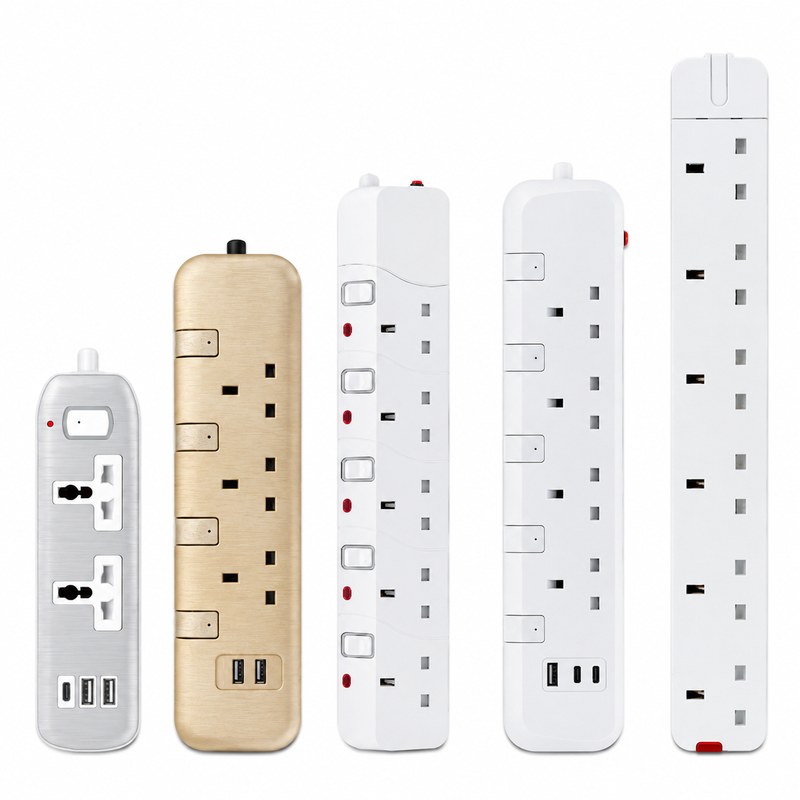 Extension Sockets & Power StripsUK 13A extension leads, surge-protected power strips with US…
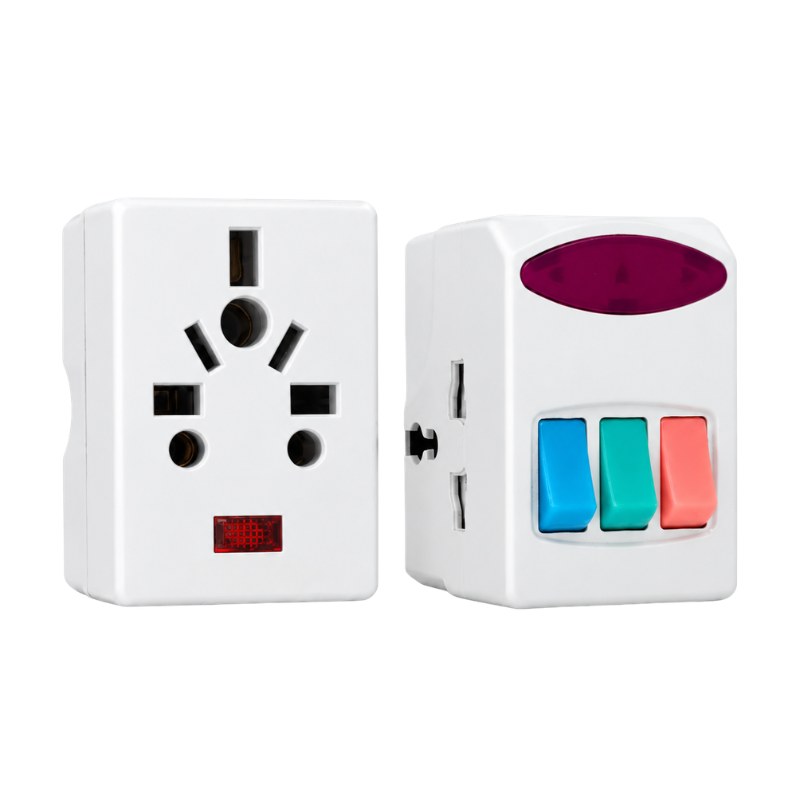 Plug Adapters & Travel AdaptersUniversal and UK 13A plug adapters, travel adaptors with USB…
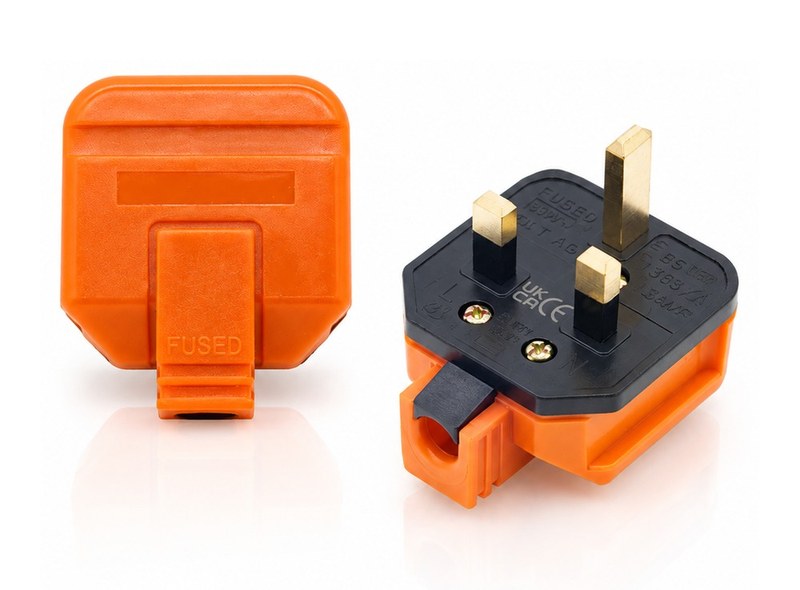 Plug Tops13A UK fused plug tops and South Africa 15A plug tops — full…
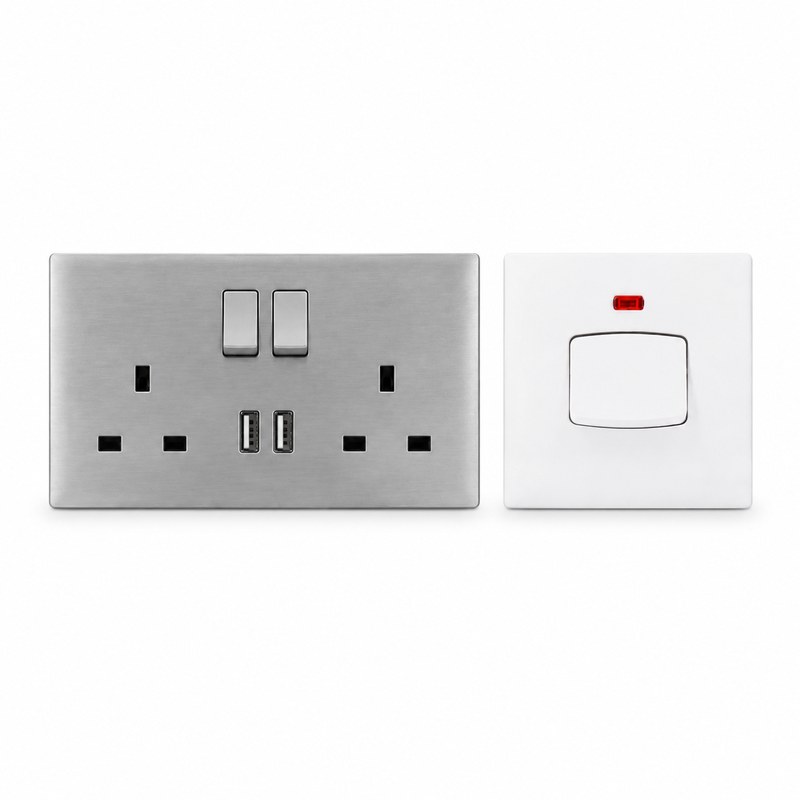 Wall Sockets & SwitchesWall-mounted sockets, switch panels and UK plug tops with US…
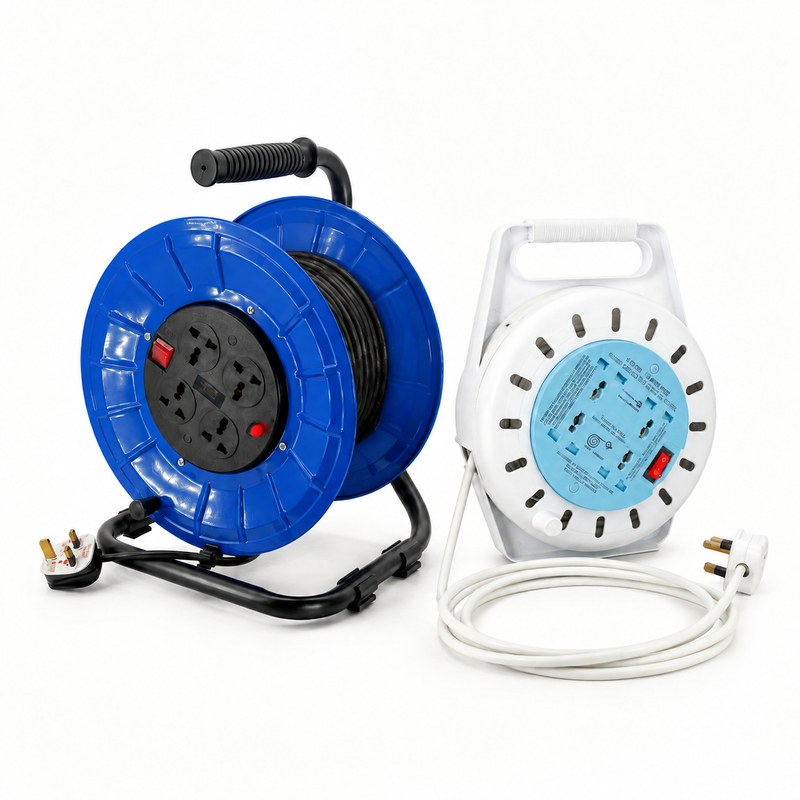 Cable Reels & Extension Drums4-way cable reels with overload protection, 13A UK standard…