South Africa Extension Sockets — NRCS LOA & SANS 164
South Africa is the only market in this series with its own plug standard — and its own regulator to match. Electrical products entering or sold in the country require a Letter of Authority (LOA) from the NRCS (National Regulator for Compulsory Specifications), issued against the relevant part of SANS 164 — South Africa's own plug and socket standard, distinct from BS 1363 and built around the large round-pin formats local premises actually run. For a factory whose catalogue is built on BS 1363, that is not a barrier; it is a product-line question, because South Africa also runs a 15 A large-pin format that matches dedicated tooling. Here is how the LOA works, how SANS 164 splits across its parts, and where the 15 A product line fits the local channel.
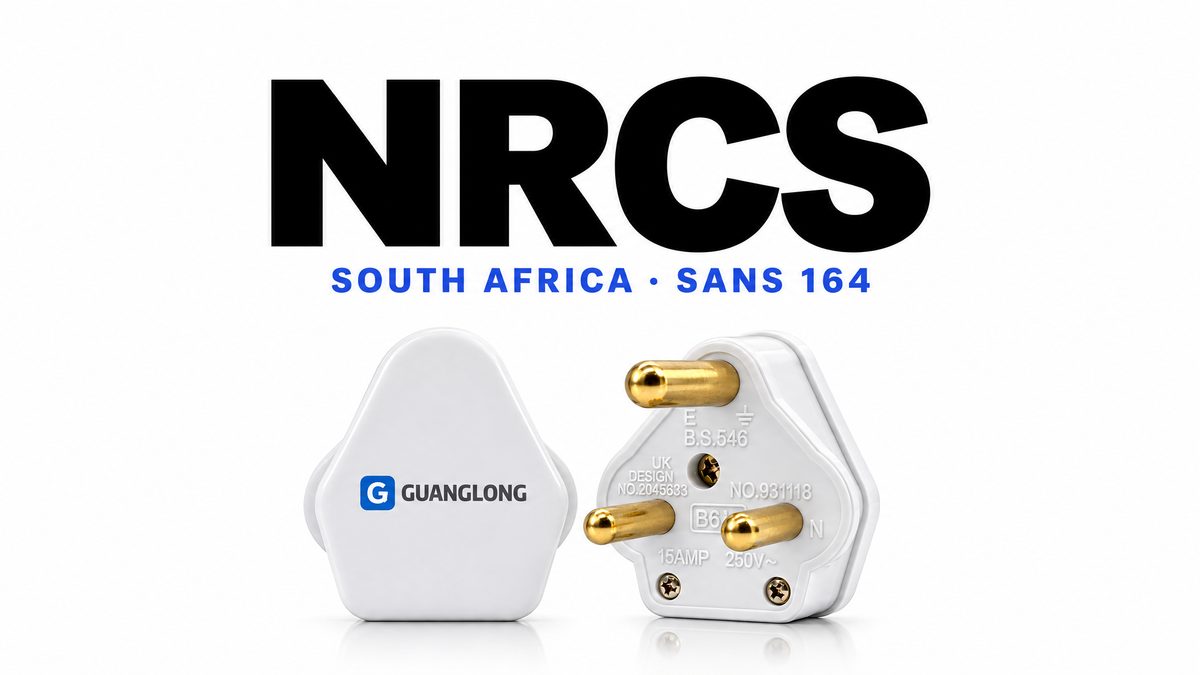
1. The Regulator in One Minute: NRCS, LOA, SANS 164
The National Regulator for Compulsory Specifications (NRCS) administers compulsory specifications for electrical and electronic products. Products covered by a compulsory specification cannot be imported or sold without a valid Letter of Authority — the LOA is product-specific, issued after testing against the applicable SANS specification by an NRCS-approved laboratory, and it is checked at customs and in-market.
The SANS 164 family splits three ways:
| Part | What it covers | Market reality |
|---|---|---|
| SANS 164-0 | Umbrella general requirements for plugs, fixed and portable socket-outlets and socket-outlet adaptors | The part most LOA applications reference for boards and adaptors |
| SANS 164-1 | The traditional large round 3-pin plug — "Type M", 15 A | The dominant installed base in premises and appliance ends |
| SANS 164-2 | The compact flat-pin "ZA plug" | Since January 2018, new electrical installations must include at least one SANS 164-2 socket-outlet — growing share on new builds |
Cord sets and adapters must conform to SANS 164-0 requirements, with the plug portion matched to the relevant part. The practical read for buyers: quote boards by the SANS part they target, not by "South African plug" as a single thing — premises mix Type M and ZA sockets, and the split is written into building regulations.
2. The LOA Process, Step by Step
| Step | What happens | What the buyer controls |
|---|---|---|
| 1 · Application | Importer or local representative applies to the NRCS for a Letter of Authority per product specification | The LOA is per specification — confirm which SANS 164 part the order targets before applying |
| 2 · Testing | Testing by an NRCS-approved laboratory against the SANS 164 part (IEC 60884-based) | Per-model IEC 60884-1 reports from the factory shorten the testing loop |
| 3 · LOA issued | Letter of Authority issued for the product under that specification | The LOA number travels on customs documents and in-market sales |
| 4 · Market surveillance | NRCS runs ongoing market surveillance against the compulsory specification | Consistent model codes between LOA file and shipped cartons — same discipline as every CoC market |
3. Where South Africa Orders Go Wrong
- Treating "South African plug" as one format. It is two: the 15 A large round pin (SANS 164-1, Type M) that dominates installed premises, and the ZA flat pin (SANS 164-2) that new installations must now include. Orders that ignore the split end up mismatched to the channel.
- No LOA, no sale. Products under the compulsory specification without a valid LOA are prohibited from import — there is no grey channel. Buyers confirm the supplier's compliance file early; suppliers without one do not get past the first serious RFQ.
- Adapters under SANS 164-0. Socket-outlet adapters are covered by the umbrella part with their own requirements — a board or adapter quoted loosely as "universal" does not fit this market. South African buyers spec to the standard part number.
- BS 1363 boards shipped as-is. A UK-standard board without the LOA file is not a shortcut — it is prohibited stock. The route into South Africa is the 15 A large-pin product line under its own LOA, not a repurposed UK catalogue.
4. Trade Names and Channels
South African trade English is its own dialect: multiplug is the local word for a multi-socket board, plug top for a fitted plug, and extension lead for the cable format — buyers type all three.
- Johannesburg and Gauteng electrical wholesalers — the container-programme core; LOA numbers on file and SANS part numbers in the RFQ are the entry ticket.
- Durban and coastal distributors — port-adjacent channels with mixed commercial and hardware demand.
- Hardware and builder retail — counter-trade on multiplugs and 15 A formats at value tiers; branded packs at the top.
Configurations that move: 15 A large-pin formats on the installed base, multiplug boards at hardware tiers, 230–250 V supply, SANS 164-matched pin formats throughout.
5. Write an RFQ a South Africa Buyer Recognises
"Multiplug extension board, SANS 164-matched pin format, 15 A plug top, IEC 60884-1 test reports per model for the NRCS LOA file, model codes consistent between LOA and cartons."
Standard, pin format and the LOA file in one line — the combination that gets a South African quotation answered properly.
Sourcing for South Africa? Browse our extension socket range or request a formal quotation — 15 A product-line tooling and NRCS-ready compliance files ship with the order.
6. Hot Models for the South Africa Market at a Glance
Plug tops & boards — the 15A and dual-format lines
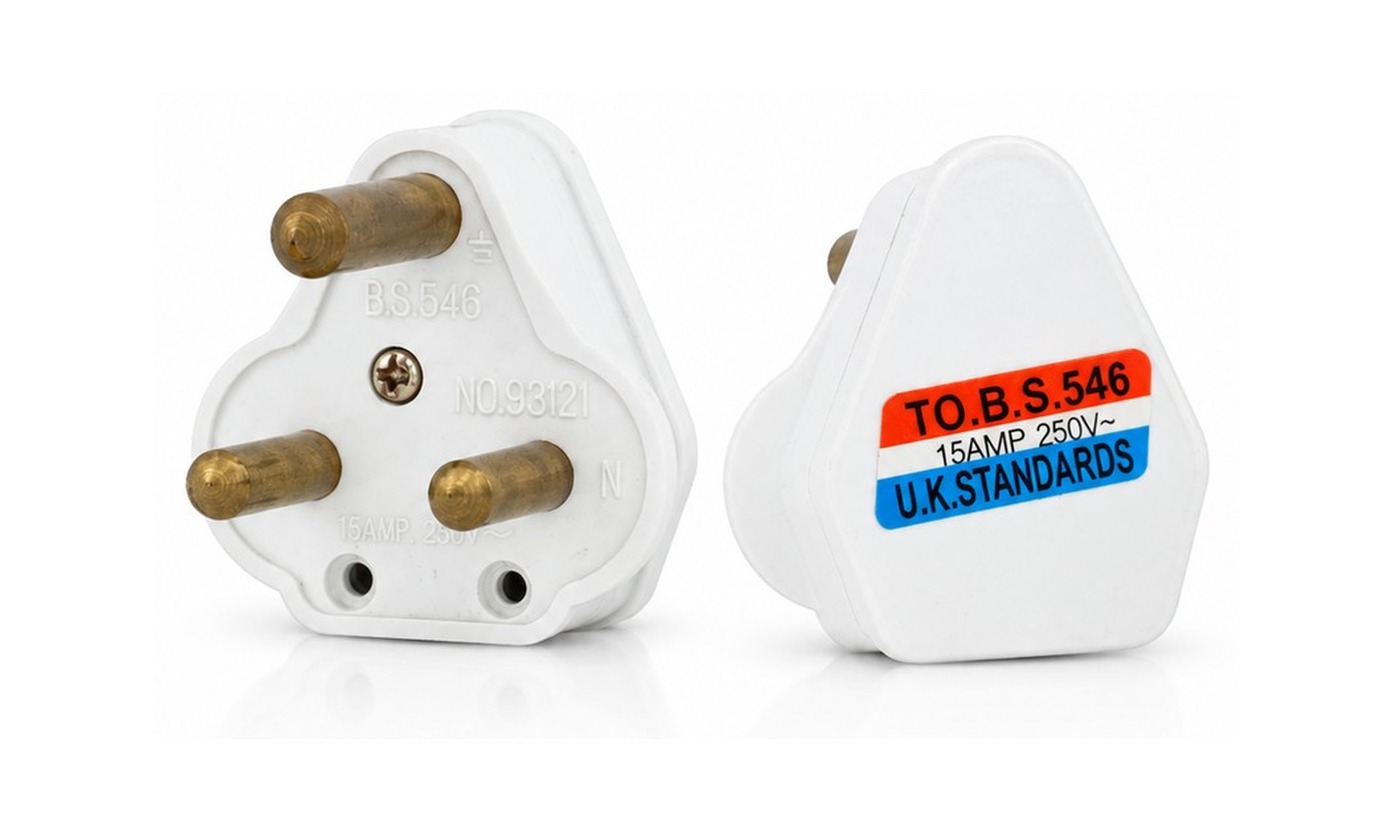
15A plug top with three round copper pins on the BS 546 pin face (N/L/E marks) — the trade-counter line for kettles, heaters and workshop kit where a 13A top simply will not do.
15A 250VBS 546 pin face3 round copper pinsMOQ 240 pcs/model
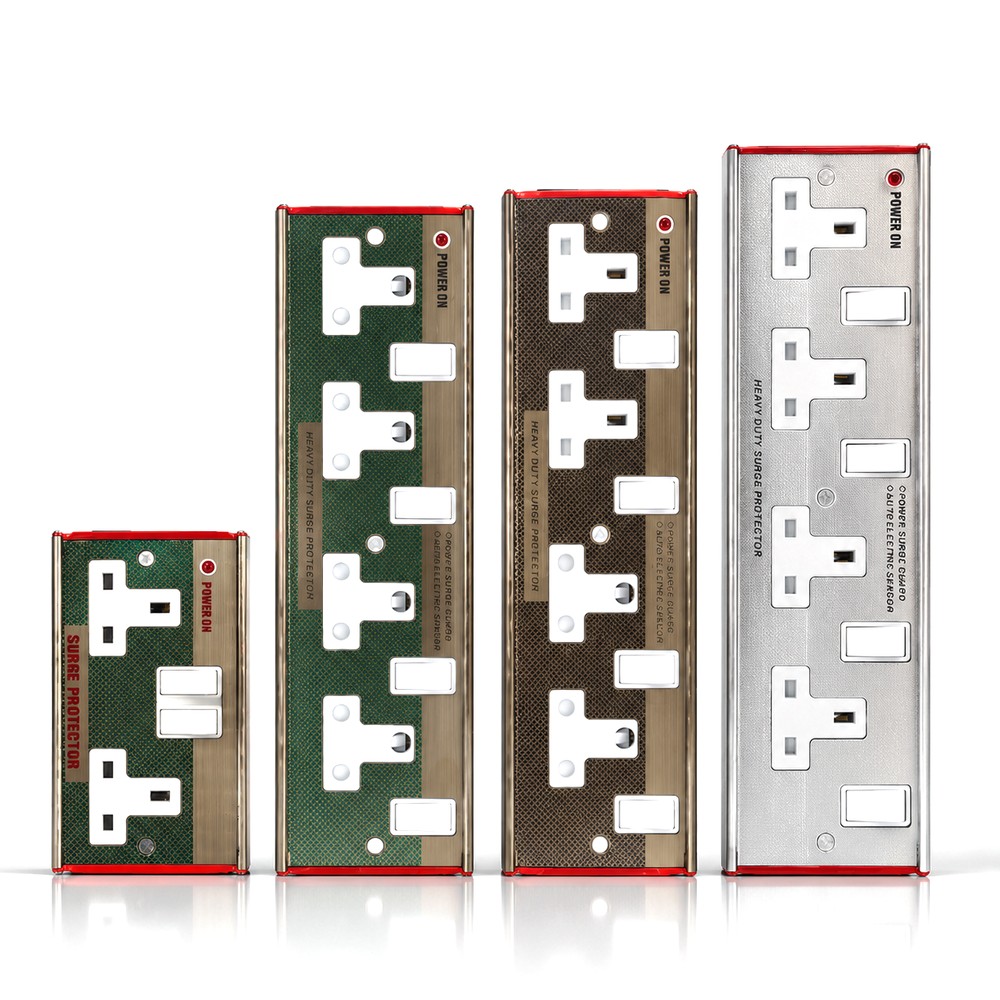
PL04 — the surge-protected 2–4 way
2–4 way board with surge protection on board and an aluminium body — the housing that survives hardware-channel shelves across the region.
Surge protected2–4 way250VMOQ 1,500 pcs/model
Frequently Asked Questions
Do extension sockets need an NRCS Letter of Authority to be sold in South Africa?
Yes. Plugs, socket-outlets and adapters fall under NRCS compulsory specifications, and products covered cannot be imported or sold without a valid Letter of Authority issued against the applicable SANS 164 part. The LOA is checked at customs and in NRCS market surveillance.
What is the difference between SANS 164-1 and SANS 164-2?
SANS 164-1 covers the traditional large round 3-pin plug (15 A, "Type M") that dominates the installed base. SANS 164-2 covers the newer compact flat-pin "ZA plug" — and since January 2018, new electrical installations must include at least one SANS 164-2 socket-outlet. Premises now mix both formats.
Can BS 1363 boards from a UK-standard catalogue be sold in South Africa?
No. Boards under the compulsory specification require an NRCS LOA issued against SANS 164 — a UK-standard board without that file is prohibited stock. The route into the market is the 15 A large-pin product line and SANS 164-matched boards under their own LOA.
Who applies for the LOA — the factory or the importer?
In practice the application is filed by the importer or local representative, supported by the factory's per-model test reports from an NRCS-approved laboratory route. Factories with IEC 60884-1-based reports and consistent model codes shorten the testing and approval loop — ask for the compliance file before the first RFQ.
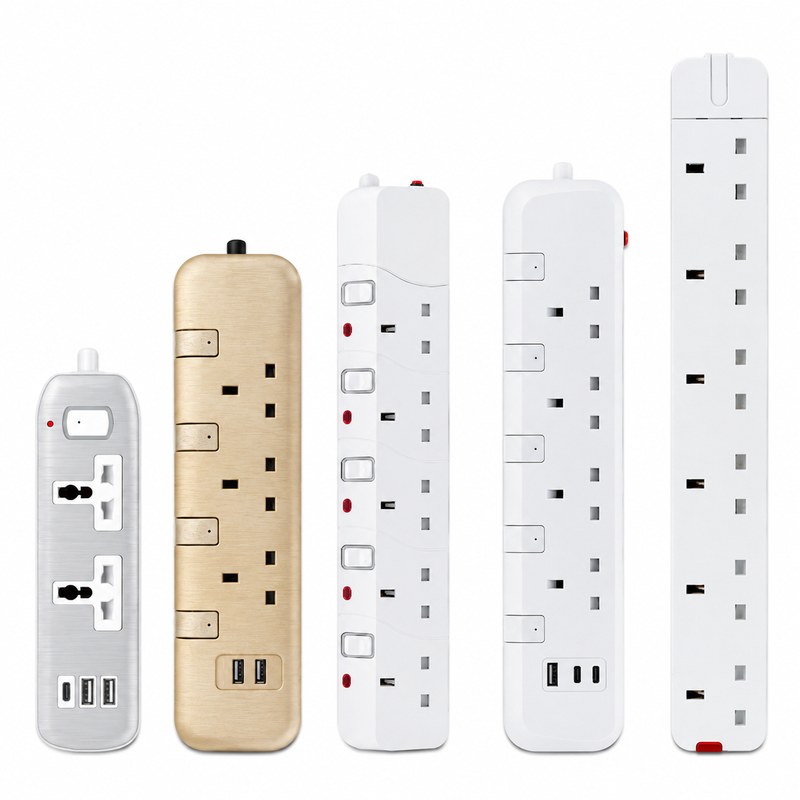 Extension Sockets & Power StripsUK 13A extension leads, surge-protected power strips with US…
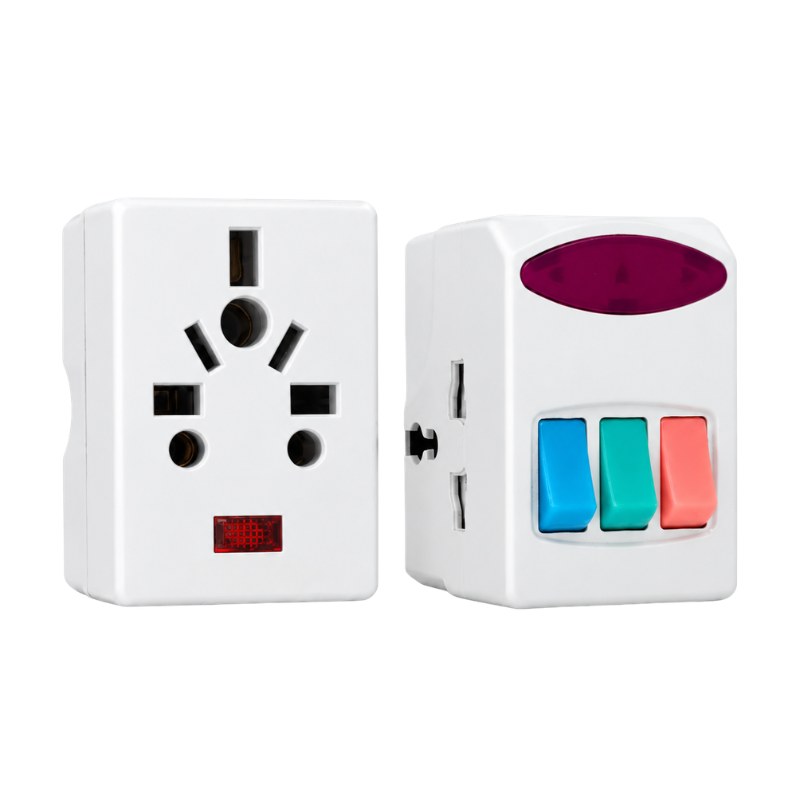 Plug Adapters & Travel AdaptersUniversal and UK 13A plug adapters, travel adaptors with USB…
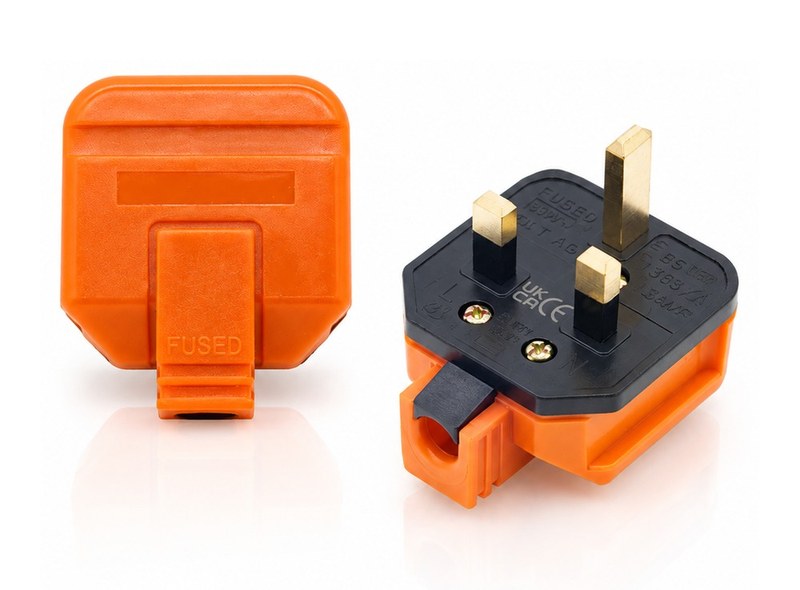 Plug Tops13A UK fused plug tops and South Africa 15A plug tops — full…
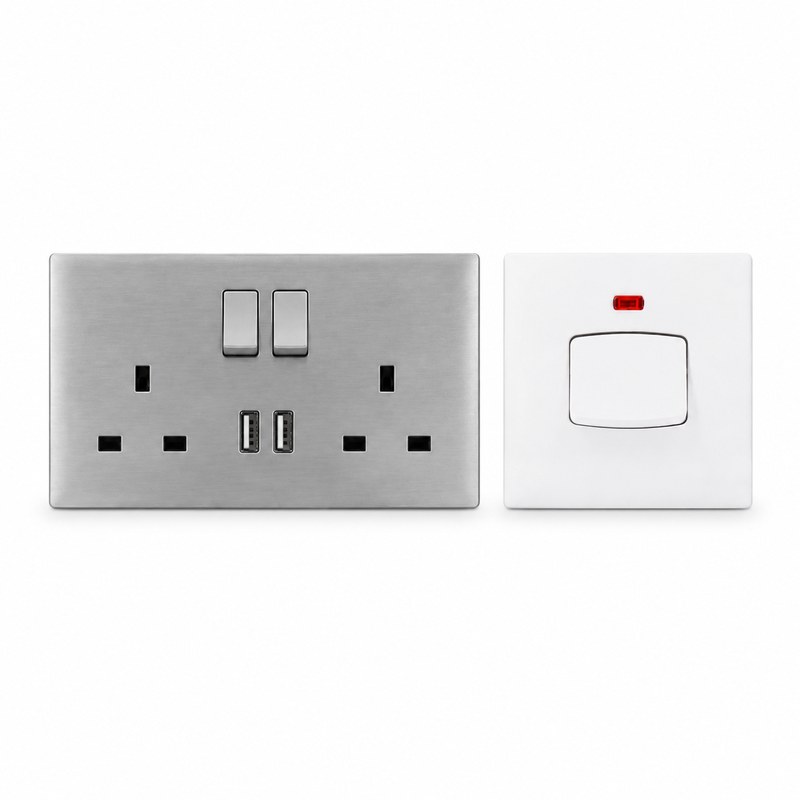 Wall Sockets & SwitchesWall-mounted sockets, switch panels and UK plug tops with US…
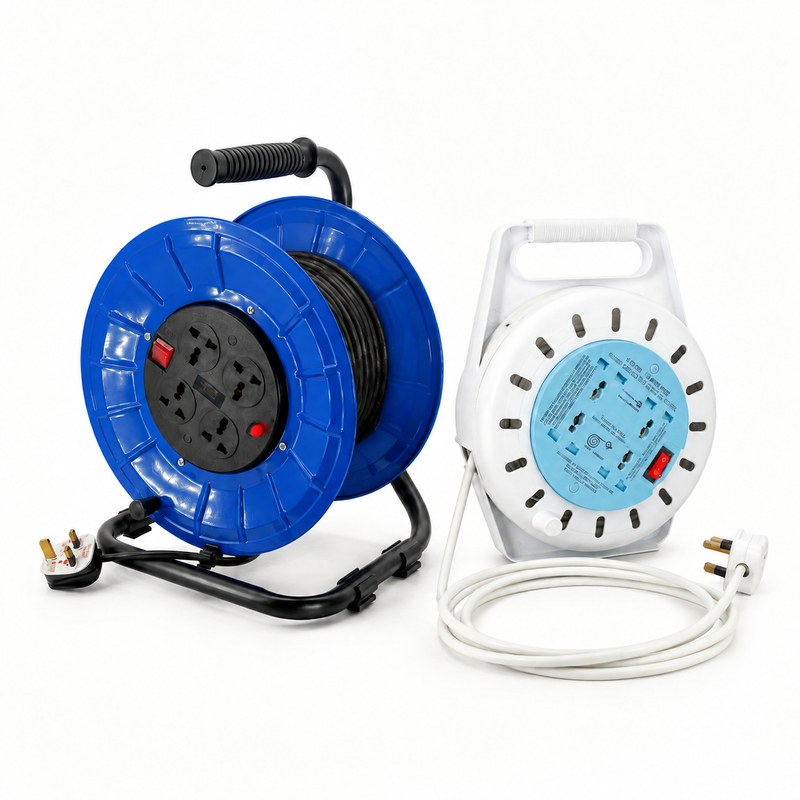 Cable Reels & Extension Drums4-way cable reels with overload protection, 13A UK standard…